


Find out about voluntary criteria, green public procurement requirements in sectoral legislation and the process for setting criteria.

Library of case studies on green and socially responsible public procurement

Questions? Contact the Helpdesk
What is Green Public Procurement?

Green Public Procurement (GPP) is defined in the Communication (COM -2008- 400) "Public procurement for a better environment" as "a process whereby public authorities seek to procure goods, services and works with a reduced environmental impact throughout their life cycle when compared to goods, services and works with the same primary function that would otherwise be procured."
While GPP is a voluntary instruments and Members States are able to determine the extent to which policies or criteria are applied, it plays a key role in the EU's efforts to boosting a resource-efficient economy.
GPP is within the framework of Strategic Public Procurement, together with Socially Responsible Public Procurement (SRPP) and Innovation Procurement. The basic concept of GPP relies on having clear, verifiable, justifiable, and ambitious environmental criteria for products and services, based on a life-cycle approach and scientific evidence base.
The European Commission (EC) has been developing voluntary GPP criteria for several product groups. Furthermore, following the adoption of the 2020 Circular Economy Action Plan, the Commission is proposing minimum mandatory GPP criteria and targets in sectoral legislation and phase in compulsory reporting to monitor its uptake.
EU Ecolabels: Labels can play a particular role in developing technical specifications and award criteria, and in verifying compliance helping public buyers to save time in accordance with Art. 43 of Directive 2014/24/EU. More information on EU Ecolabel product groups is available online.
News

Romania's National Green Public Procurement Program (PNAE) 2025-2030.

The plan aims to promote sustainable, repairable, circular and energy efficient products across Europe, in line with the Clean Industrial Deal and the Competitiveness Compass.

New European coalition to make green public procurement the norm in construction.

Ireland: EPA’s fourth review shows that public procurement is driving Ireland's circular and low-carbon economy.

France: practical guides for public buyers to integrate sustainability into tenders.

Finland: Tool developed by the City of Espoo provides targeted guidelines for public buyers to reduce plastic waste and boost recycling in construction.
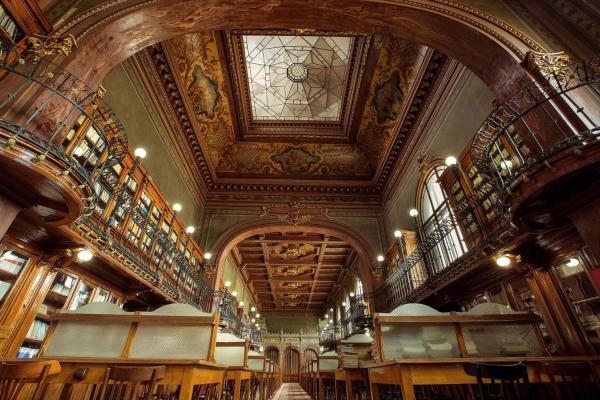
Procurement category: Bookbinding and archival processing services
To keep up with the latest news, subscribe to the GPP News Alert.
Discover more

Training materials on green public procurement

Find out more about publications, studies and current GPP projects
Learn more about the Life-cycle costing tool and how it can help public buyers

Check out the National Action Plans and the activities of the Green Public Procurement Advisory Group